



2026 Nautilus® near Aurora, OH
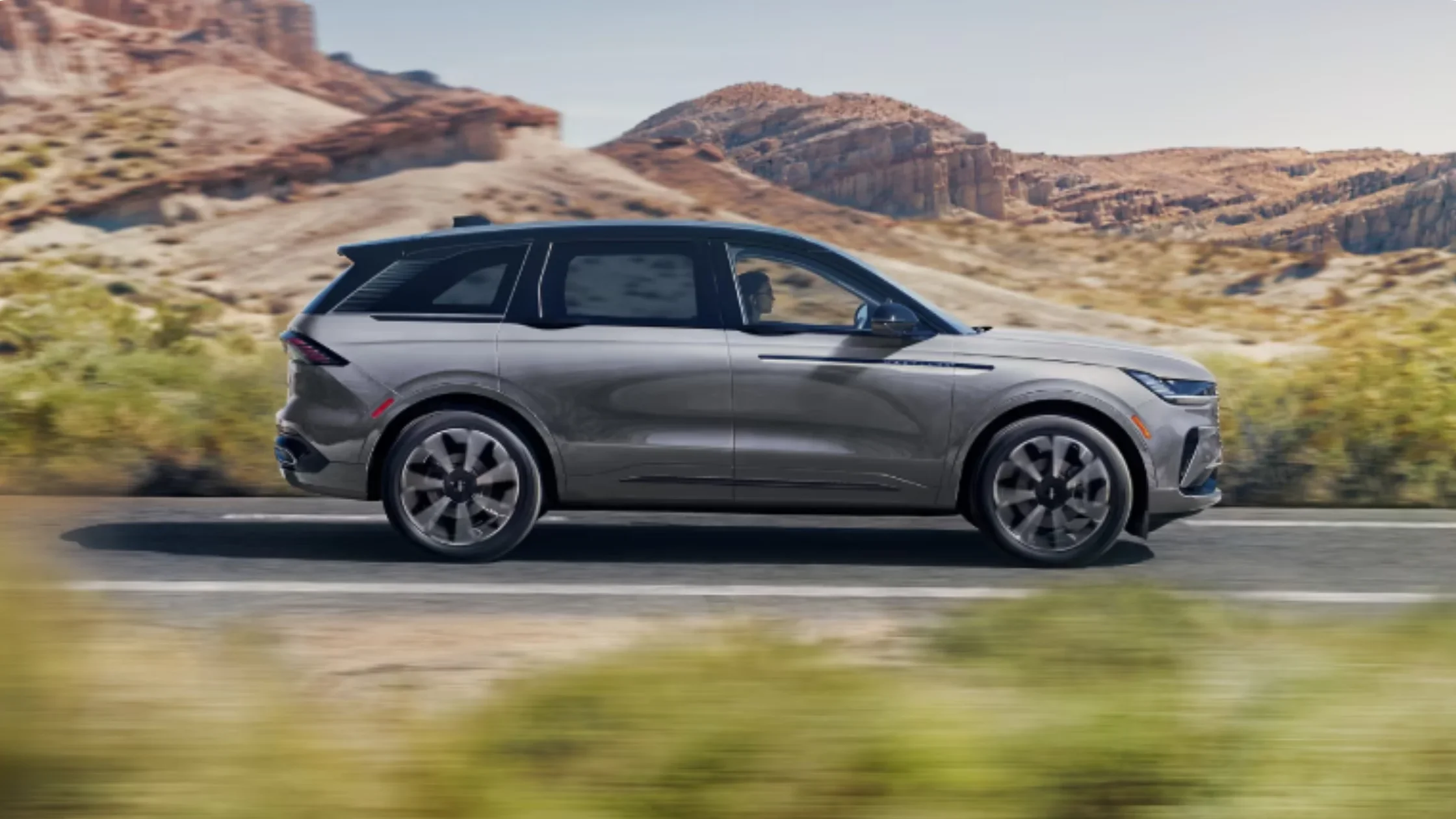
The 2026 Lincoln Nautilus® introduces a new generation of design and performance for the midsize luxury SUV segment. It is built on an advanced architecture that supports hybrid power, next-generation digital interfaces, and refined driving intelligence. Each component has been engineered for technical precision, delivering efficiency and adaptability for varied driving conditions. The vehicle integrates hybrid propulsion, intelligent connectivity, and a suite of driver-assist systems within a balanced structure that prioritizes stability and control. Every function contributes to a cohesive driving experience centered on performance, technology, and safety.
Powertrain Engineering and Hybrid Integration
The 2026 Lincoln Nautilus® offers two available powertrain configurations developed to optimize both efficiency and responsiveness. The standard system features a 2.0-liter turbocharged inline-four engine paired with an eight-speed automatic transmission. This configuration provides smooth acceleration and consistent torque delivery across the speed range, designed to sustain performance without compromising fuel economy.
An available hybrid option extends the capabilities of the same 2.0-liter engine by combining it with an electric motor system. This hybrid design allows for improved fuel efficiency and quieter operation while maintaining strong output during highway or city driving. The hybrid model operates through an advanced continuously variable transmission that coordinates electric and gasoline power delivery for seamless transitions.
Intelligent All-Wheel Drive is available on both models. It continuously monitors road conditions and driver inputs, automatically adjusting torque distribution between the front and rear wheels to improve grip and control. This feature supports confident handling across dry, wet, or snow-covered surfaces while maintaining consistent steering stability.
Aerodynamic Structure and Exterior Design
The 2026 Lincoln Nautilus® reflects the refined design language of Lincoln through its aerodynamically balanced form. The front fascia is defined by a wide illuminated grille bordered by adaptive pixel LED headlamps that automatically adjust beam intensity to match lighting and road conditions. The headlamps enhance visibility through precise distribution of light without glare.
The side profile demonstrates smooth surface transitions that improve airflow efficiency and contribute to reduced wind resistance. Flush body contours minimize drag while maintaining a strong stance. At the rear, a continuous LED light bar spans the width of the vehicle, reinforcing its linear design and improving visibility to following traffic.
Available wheel sizes extend up to 22 inches, engineered with lightweight materials for improved handling response and overall balance. Functional elements such as active grille shutters and underbody aerodynamic panels contribute to the SUV’s stability and energy efficiency at higher speeds.
Cabin Design and Material Application
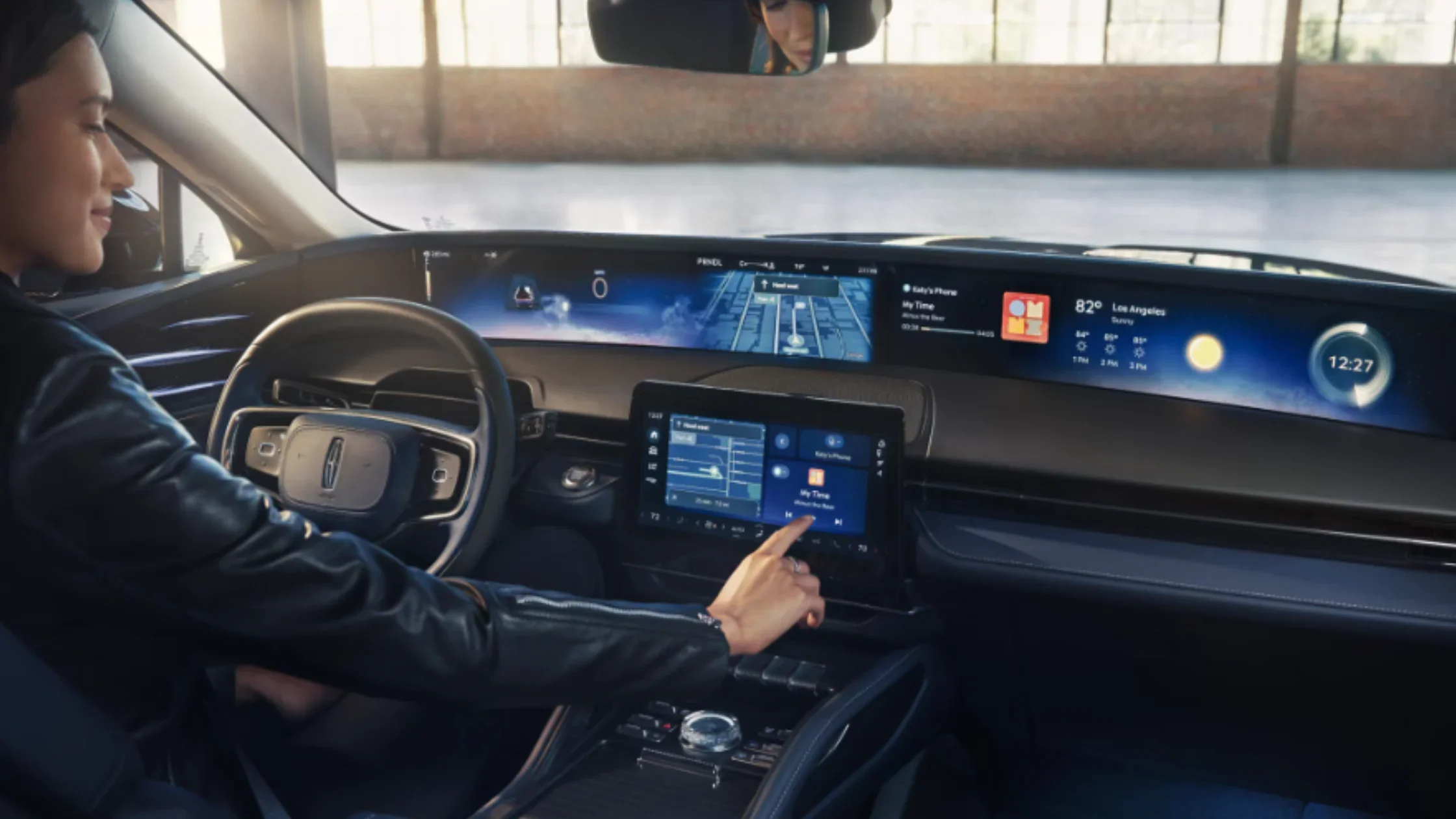
Inside, the cabin architecture of the 2026 Lincoln Nautilus® combines ergonomic structure and advanced technology. Every surface and control is positioned to support intuitive interaction while maintaining driver concentration. The layout emphasizes horizontal lines that complement the vehicle’s expansive panoramic display and create a sense of openness.
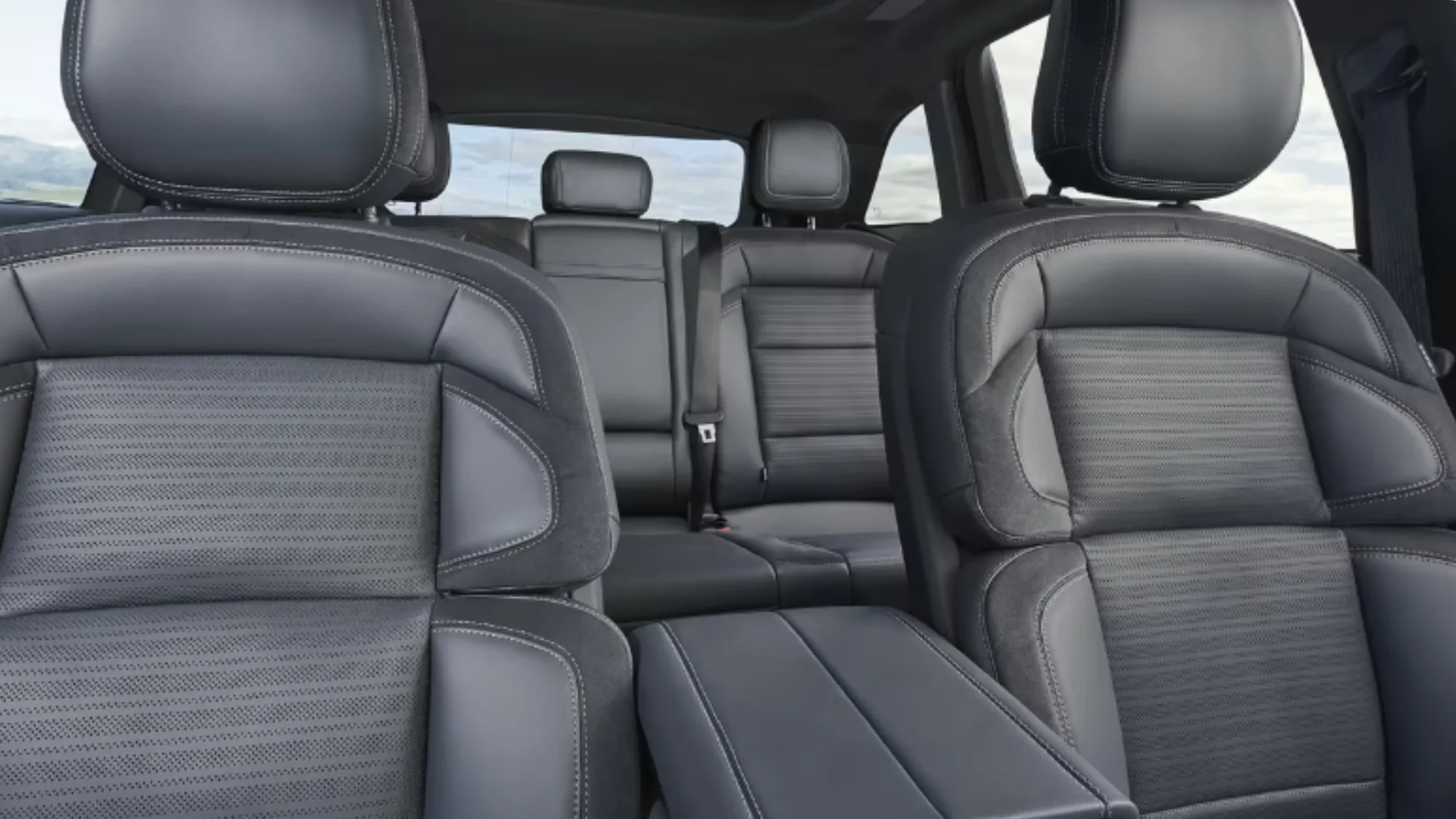
Seats are designed with precision-adjustable configurations and available heating, ventilation, and massage functionality. Premium upholstery materials contribute to a clean, consistent finish throughout the cabin. Ambient lighting is customizable through the digital interface, allowing adjustment of tone and intensity. The cabin’s acoustic insulation system includes multi-layer sound-dampening materials and active noise control technology to maintain a quiet driving environment.
A large panoramic Vista Roof® is available, offering adjustable glass coverage for controlled natural lighting. The roof structure integrates noise-reduction technology and solar control glass to maintain cabin comfort during varying light conditions.
Digital Command Interface and Display Integration
The 2026 Lincoln Nautilus® introduces the panoramic digital display that extends across the full width of the dashboard. This continuous screen serves as the primary information interface for vehicle data, navigation, and media controls. The display provides customizable layouts, enabling drivers to prioritize specific functions such as performance metrics or navigation details.
A secondary center touchscreen houses climate and comfort controls. Both displays work together through the Lincoln Digital Experience software. The system supports wireless smartphone connectivity through Apple CarPlay® and Android Auto™ and integrates built-in Google services, including Google Maps and Google Assistant.
Voice recognition capability allows for hands-free control of functions such as audio selection, temperature adjustment, and navigation input. The integrated Amazon Alexa feature supports connected-home communication, letting drivers control compatible smart devices from within the vehicle. Over-the-air software updates maintain system reliability and introduce future enhancements without requiring dealership visits.
Connectivity and Data Systems
Lincoln Connect™ provides in-vehicle Wi-Fi hotspot capability, enabling passengers to connect multiple devices simultaneously. The Lincoln Way™ App extends connectivity beyond the vehicle by allowing remote start, lock, unlock, and vehicle status checks through a smartphone interface. This digital infrastructure is supported by secure cloud integration that ensures data consistency between the vehicle and connected devices.
System updates are delivered wirelessly, maintaining software accuracy and operational performance. Diagnostic data can be transmitted securely to monitor vehicle health and alert the driver of maintenance needs. Each connectivity component has been engineered to integrate with the vehicle’s communication network while maintaining data protection and system integrity.
Driver Assistance and Autonomous Technology
The 2026 Lincoln Nautilus® features the advanced driver-assistance suite of Lincoln, designed to support safe and consistent vehicle operation. The available BlueCruise® system allows for hands-free driving on designated Hands-Free Blue Zones across North America. It combines adaptive cruise control and lane-centering technology to maintain vehicle positioning and speed without constant manual steering.
Additional driver-assist features include a Blind Spot Information System with Cross-Traffic Alert, which monitors adjacent lanes and approaching vehicles during reversing maneuvers. Pre-Collision Assist with Automatic Emergency Braking detects potential frontal collisions and can apply braking automatically when necessary.
A 360-Degree Camera with split-view capability provides full visual coverage around the vehicle, enhancing awareness during low-speed movement or confined parking. Together, these systems use cameras, radar, and ultrasonic sensors to maintain awareness of surroundings and reduce driver workload in complex environments.
Structural Safety and Chassis Design
The 2026 Lincoln Nautilus® incorporates a reinforced body structure composed of high-strength steel and energy-absorbing materials. This design enhances rigidity while reducing overall weight for improved performance efficiency. Structural zones are engineered to distribute impact forces evenly across the frame during a collision.
The suspension system has been tuned to deliver balanced handling while maintaining ride comfort. Independent rear suspension ensures consistent contact between the wheels and road surface, supporting traction and directional stability. Steering response is optimized through electric power-assisted steering, offering variable assistance levels based on driving speed and conditions.
Electronic stability control and traction control systems function continuously to maintain balance during cornering and sudden maneuvers. Combined with Intelligent All-Wheel Drive, these technologies contribute to predictable handling under a wide range of driving conditions.
Acoustic Engineering and Interior Sound Management
The vehicle’s quiet cabin results from advanced noise isolation techniques that reduce vibration and airborne sound. Acoustic-laminated glass and triple door seals create an insulated barrier from exterior noise sources. Active Noise Control further refines the interior environment by generating counter-frequency sound waves to neutralize road and engine noise.
The available Revel® Ultima 3D Audio System delivers precise sound reproduction through strategically placed speakers calibrated to the cabin’s dimensions. Each component of the audio system has been tuned to maintain consistent tonal balance across all seating positions, enhancing clarity without distortion.
This integrated approach to acoustic control supports driver focus and passenger comfort throughout extended travel.