



2026 Nautilus® in Cleveland, OH
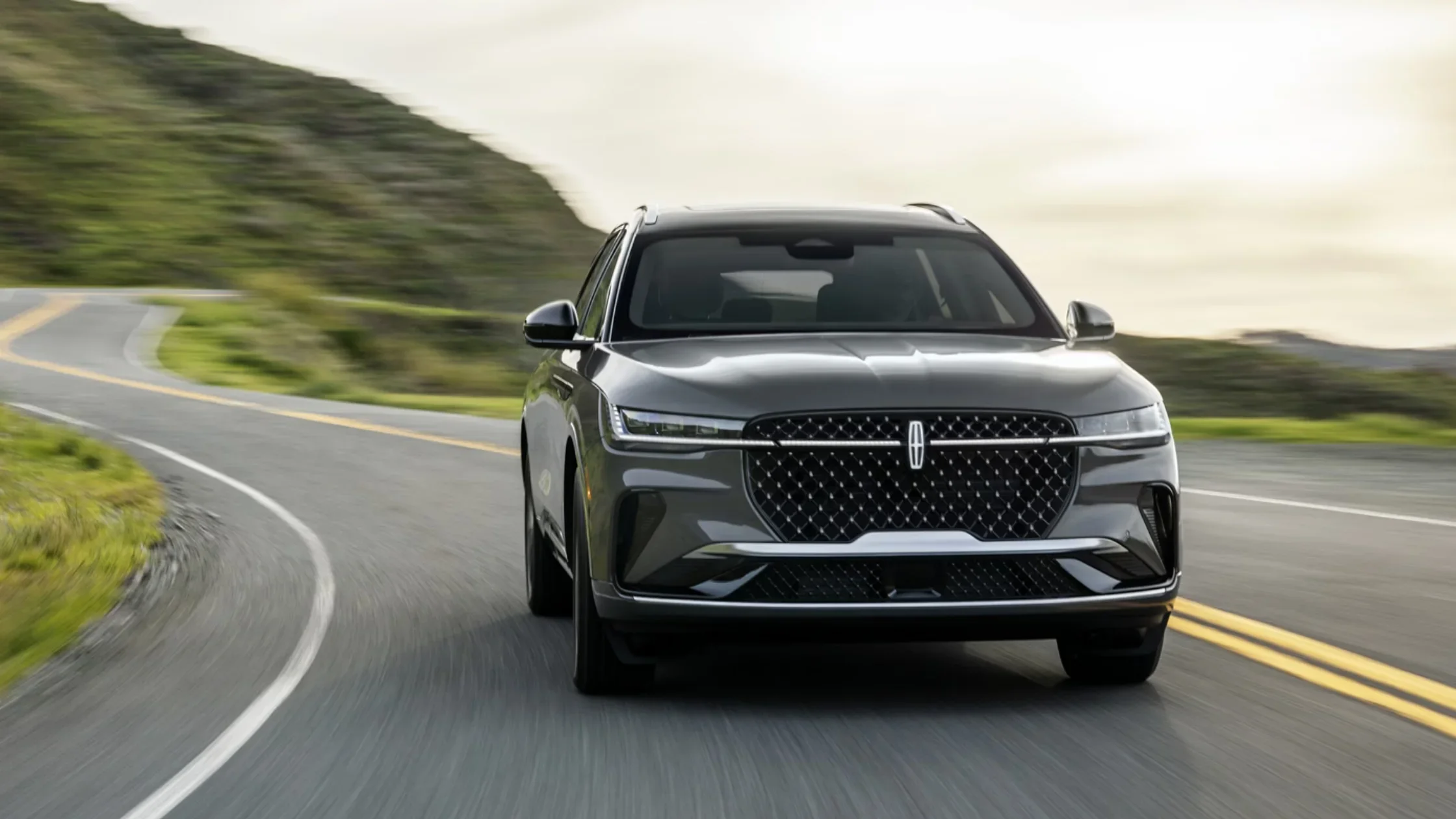
The 2026 Lincoln Nautilus® introduces a detailed combination of engineering updates, hybrid system advancements, chassis refinements, and digital integration features designed to support controlled driving performance and consistent operational efficiency. Its powertrain systems, vehicle architecture, interior interface layouts, and electronic functions reflect a structured approach to mechanical and technological alignment. The model incorporates a fourth-generation hybrid engine configuration, adaptive digital displays, structured airflow design elements, and a refined set of driving assist technologies. These components work in coordination to produce a vehicle that remains stable, quiet, and responsive under a wide range of driving inputs and roadway environments. Each system is arranged to support clarity in driver interaction and predictable mechanical output without introducing unnecessary operational complexity.
Hybrid Power System Engineering
The 2026 Lincoln Nautilus® uses a fourth-generation 2.0-liter turbocharged hybrid engine that integrates a continuously variable automatic transmission and a 100 kW electric motor. This configuration produces a total combined output of 285 horsepower. The hybrid system is constructed to deliver controlled propulsion with steady torque behavior throughout acceleration phases. The continuously variable transmission supplies even transitions between power delivery states, reducing abrupt output changes and supporting consistent drivetrain behavior. The electric motor assists during lower speed operation and load transitions, improving fuel efficiency and smoothing gearless movement during acceleration. The combustion engine portion uses a turbocharged design that supports maintained performance during merging, passing, and multi-lane cruising. The hybrid configuration produces an EPA-estimated 29 miles per gallon in the city and 31 miles per gallon on the highway with a combined estimate of 30 miles per gallon. Actual mileage varies depending on environmental and usage conditions. The integration of mechanical and electric components results in predictable response patterns across varying speeds and driving demands.
Disclaimer: **EPA-estimated rating of 29/City, 31/Hwy, 30 combined MPG, 2.0-L turbocharged hybrid engine. Actual mileage will vary.
Turbocharged Combustion Functionality
The 2.0 liter turbocharged engine features controlled boost management, airflow routing, and fuel metering designed to balance output and efficiency. The turbocharger increases intake density, which allows the engine to maintain consistent horsepower without requiring a larger displacement configuration. Internal energy distribution is optimized to compensate for load changes while preserving engine stability. The combustion system uses electronic controls that adjust fuel and air ratios for precise operation. Thermal management systems maintain the engine within its operating range to support durability and consistent functioning during extended driving periods. These characteristics contribute to a powertrain that remains steady and predictable under continuous operation. The hybrid integration further assists with overall smoothness during gearless transitions and acceleration changes.
Drive Composition and Power Delivery Management
The drivetrain architecture in the 2026 Lincoln Nautilus® is configured to support balanced torque distribution and linear response. The continuously variable transmission operates without defined shift points, which minimizes interruptions in acceleration. This contributes to a smoother drive experience that reduces sudden torque variations. The electric motor engages during initial motion and low-speed driving, allowing the combustion engine to transition into higher load ranges with reduced strain. This system also supports improved efficiency during stop-and-go patterns. Power delivery mapping is coordinated between both systems to maintain steady acceleration curves. The output strategy ensures that torque remains accessible in predictable patterns that simplify driver inputs. The structural design of the drivetrain reduces vibration and contributes to reduced cabin noise.
Exterior Structural and Functional Design Features
The exterior design of the 2026 Lincoln Nautilus® integrates airflow control features, refined structural lines, and balanced proportions. The body design relies on aerodynamic shaping that reduces drag and supports stability during highway driving. Wind channeling around the side panels, roofline, and front fascia brings airflow into predictable patterns that reduce turbulent zones along the body. The hood, grille, and lighting structures are arranged for visual clarity while also serving functional airflow roles.
The Lincoln Black Label variant features standard 22-inch wheels that expand the contact area and support balanced surface grip. Larger wheel dimensions also contribute to improved stability during directional changes. The wheel construction supports consistent rotation and reduced rolling variations, which enhance smoothness at higher speeds. The exterior panel alignment maintains reduced gaps to support aerodynamic and acoustic performance. The lighting system is embedded with clear lens construction for accurate illumination distribution, which assists driver visibility during nighttime driving or reduced visibility conditions.
Interior Environment and Functional Layout
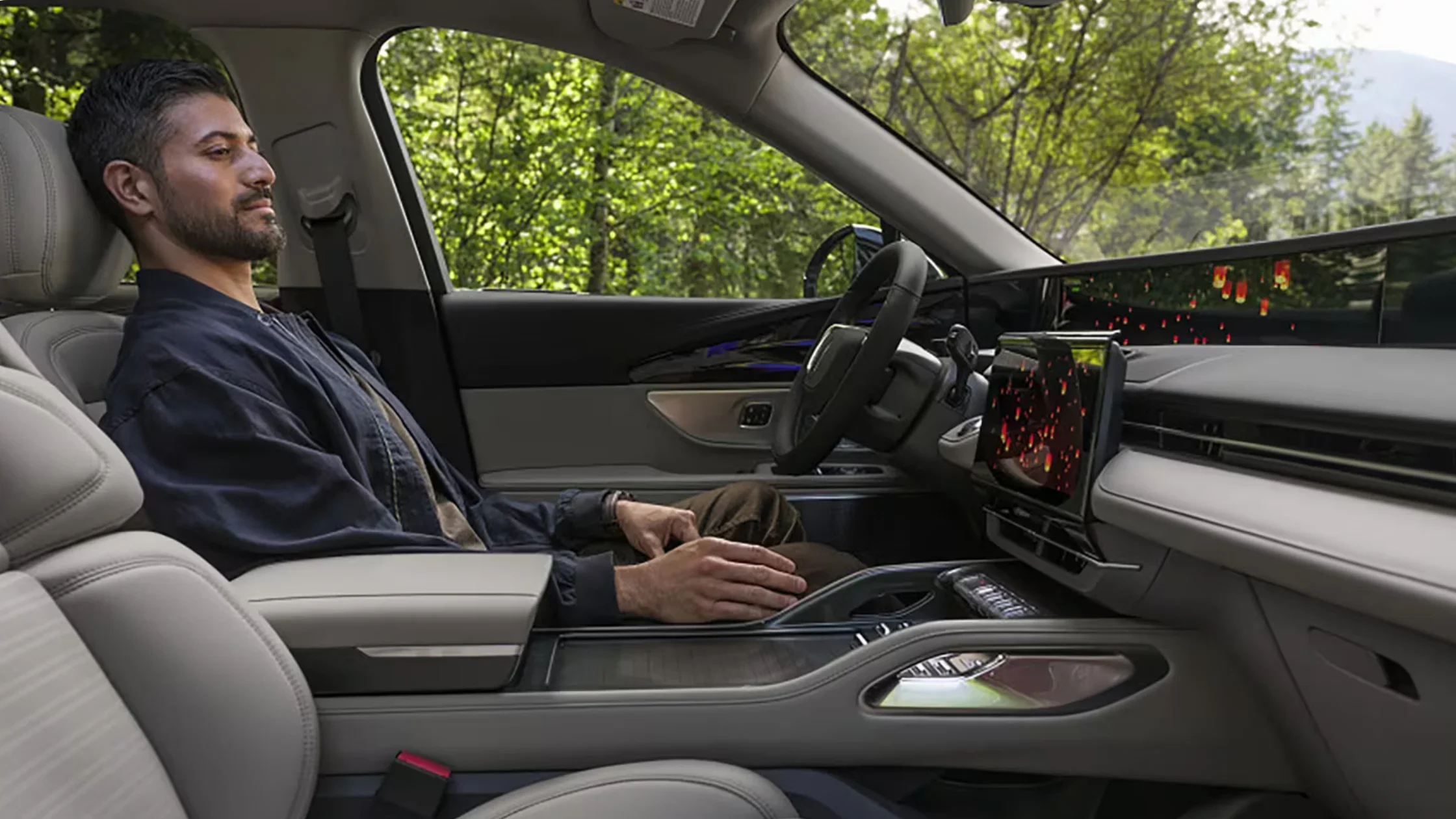
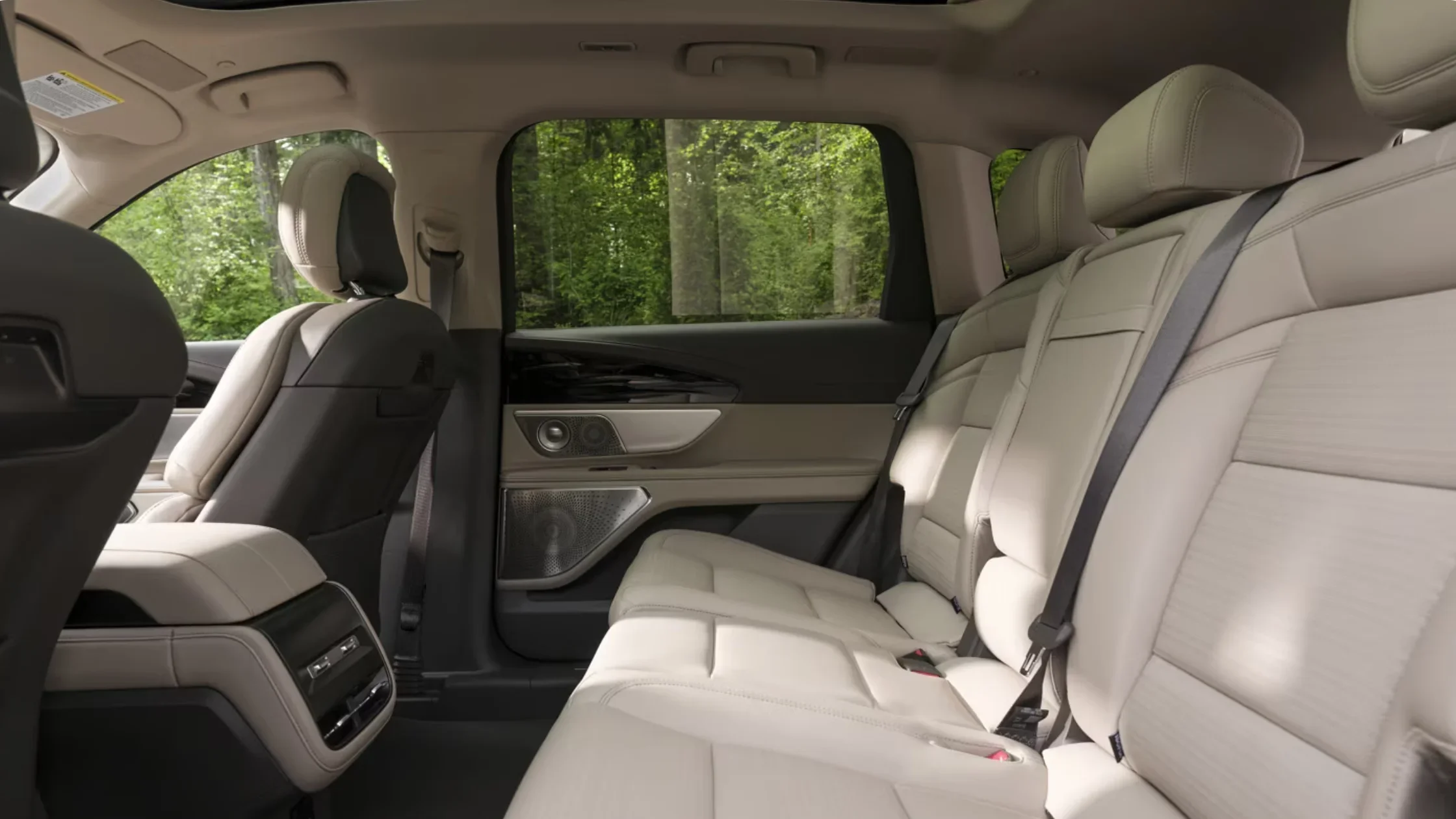
The cabin of the 2026 Lincoln Nautilus® features a structured layout centered on simplicity and operational clarity. The arrangement of displays, controls, and seating areas is designed for direct accessibility without unnecessary reach or distraction. Material placement focuses on durability and tactile consistency. Surfaces resist fingerprints and wear patterns and maintain a uniform texture through long-term use. The seating design supports posture alignment through controlled cushioning thickness and ergonomic shaping. Interior noise reduction benefits from the hybrid power system, which produces lower engine noise at varied speeds. Additional insulation within door panels and flooring further decreases external noise intrusion. Airflow distribution is engineered through a network of vents that deliver consistent temperature regulation across the cabin.
The Lincoln Black Label interior provides two theme options that use upgraded materials and specialized surface finishes. These themes incorporate patterned elements that differentiate seat stitching, panel designs, and interior accents. Both themes maintain functional consistency across all controls and components.
Digital Interface and Integrated Technology Systems
The digital systems in the 2026 Lincoln Nautilus® are structured to support efficient driver information access. Display layouts prioritize visibility and minimize clutter. A panoramic display spreads information across a wide visual field, allowing the driver to monitor navigation, media data, and vehicle systems in a centralized manner. The system uses fast processing for smooth transitions between menus and data screens. Touch controls operate with predictable input response and maintain consistent sensitivity during use. Integrated connectivity supports device pairing and digital assistant features. Voice recognition capability enhances hands-free operation of frequently accessed functions. System updates may be deployed through connected services, which maintain software function and compatibility.
The digital interface integrates with the hybrid system by displaying energy flow patterns, charge levels, and efficiency data, giving the driver a clear understanding of power usage patterns. Driver assist systems display alerts and visual guidance on the interface, helping maintain awareness during lane changes, traffic speed variations, or potential hazard detection.
Driver Assist and Operational Support Functions
The 2026 Lincoln Nautilus® includes a range of driver-assist technologies designed to support operational consistency and situational awareness. These systems do not replace driver attention but provide monitoring and supplemental corrective inputs. Lane support functions track road markings and alert the driver if the vehicle begins to drift. Adaptive systems monitor distance to surrounding vehicles and adjust speed accordingly within system limits. Cameras and sensors support parking visibility and detect obstacles around the vehicle perimeter. Hazard detection technologies provide audible or visual warnings when necessary. These systems work in coordination with the vehicle’s structural stability to maintain a controlled drive experience. The design of these functions emphasizes predictability and clear communication of system status.
Chassis Structure and Ride Behavior
The chassis of the 2026 Lincoln Nautilus® is engineered to provide balanced handling through controlled rigidity and flexible suspension tuning. The structural frame is reinforced in critical zones to maintain shape during dynamic driving conditions. The suspension components respond to surface irregularities in a controlled manner to minimize body movement. Steering calibration provides direct feedback with accurate wheel angle response. Tire alignment and wheel geometry contribute to even traction distribution. Combined with the hybrid system’s smooth output patterns, the chassis maintains a steady driving feel during turns, acceleration, and uneven roadway surfaces.
Systems Coordination and Overall Mechanical Integration
The mechanical and electronic systems within the 2026 Lincoln Nautilus® function through synchronized communication. Software modules manage powertrain behavior, traction control, stability management, and digital interface operations. This coordination minimizes response delays between driver inputs and mechanical actions. Temperature management systems ensure that powertrain components remain within operational ranges for extended periods. Electrical routing organizes current distribution between propulsion, cabin electronics, and accessory systems. The hybrid configuration allows selective allocation of electric power during low-demand phases, which supports efficiency and reduces mechanical load.
Schedule a Test Ride in Cleveland, OH
A structured evaluation of the 2026 Lincoln Nautilus® provides the most direct understanding of its hybrid performance, its display systems, and its cabin functionality. A test drive allows clear observation of acceleration behavior, braking response, interior noise characteristics, and display clarity. This direct interaction supports informed decision-making based on technical impressions. Our team at Nick Mayer Lincoln Mayfield in Cleveland, OH, welcomes drivers who want to study how the hybrid system, digital controls, and driver-assist technologies operate through actual driving conditions. A scheduled visit offers an organized opportunity to examine how these systems function together and how they may align with specific driving needs.CONTACT US FOR MORE INFORMATION